
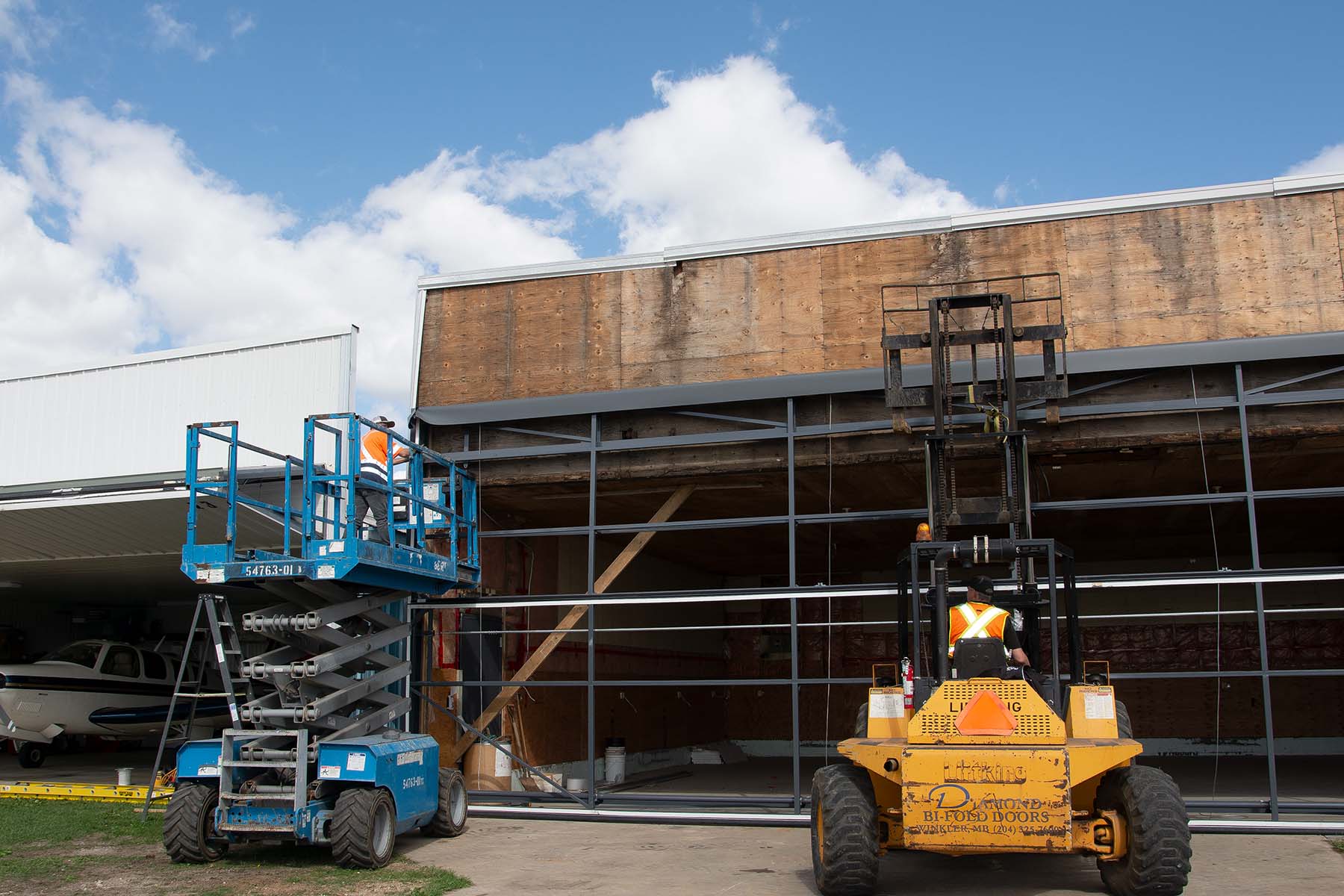
Making sure that your building is ready for your new bifold door is an important part of the installation process. These are important steps to follow, ensuring that your building and bifold door remain in good shape for many years to come.
If you plan to install your bifold door on your own and are comfortable with basic tools and equipment, our thorough installation manual can guide you through the process. If you’d prefer to hire an installation crew, talk to our sales team. We have a wide network of bifold door dealers and installers that we’ll confidently recommend to help you out.
Whatever you decide, this guide to preparing your building for a bifold door install will help you know what to expect.
Before You Order Your Bifold Door
We want to set you up for success before you even place your bifold door order. Ensuring that your building is in good condition structurally and that your new door is the perfect fit is the first step.
Check Your Building’s Structural Strength
Ensuring that your shop or hangar is in good condition is essential before any major changes, including when you install a new door.
When you request a quote from Diamond Doors, we provide you with a complete cost breakdown of your door and all the specifications that you need to make sure your building is ready. This includes things like electrical requirements, the dimensions of the quoted door, and the weight and load specifications.
These weight and load specifications are what your building contractor or inspector will need to know, such as:
- Complete door weight (assuming that the door is finished with standard 26 gauge cladding)
- The average horizontal (outward) load on each door hinge
- The average and maximum vertical loads on each door hinge
- The inward push on each door roller when the door is fully open
- The total outward pull away from the building at bolt height when the door is fully open
If you find that your building needs some reinforcements, there are a few options available.
First, you can add the required structural bracing and supports to the existing building. While it is usually our preferred option, this can be a costly and time consuming process depending on the overall building condition.
An alternative choice is to include the Diamond Doors Self-Supporting Header System in your door purchase. This is an additional frame that is secured to the building foundation rather than the building itself. This way, it supports the main load of the bifold door (and can also be used to extend your clear opening all the way to your roofline). Learn more about the self-supporting header on our features and options page.
Gather Your Door and Building Information
When ordering your bifold door, we’re also happy to provide a detailed drawing showing how your door will fit after installation. However, before we can do that, we need some information about your building and clear opening. Here’s a quick overview of what we are looking for.
- Building structure – whether you have a wood stud frame, post frame, steel frame building, quonset, etc.
- Wall height – the measurement of your building from the finished floor to the ceiling.
- Building width – the width of your building from outside edge to outside edge.
- Rough opening width – the measurement of the clear opening from column to column.
- Rough opening height – the measurement of the clear opening from the finished floor to the underside of the header or ceiling.
- Overhang – does your building have an overhang? If so, how big is it?
- Roof pitch – how many inches your roof rises for every twelve inches of horizontal run.
- Power supply – what type of power does your building have (single phase or three phase and the voltage).
- Exterior finishing options – how do you plan to finish off the exterior of your door? What is the expected weight per square foot?
While You Wait
Now that you’ve ordered your bifold door, it’s time to prepare your building for the actual installation work. This means that you’ll be ready to hang your new door as soon as it arrives. Here’s what we recommend.
Prepare the Wiring and Electrical for your Bifold Door
We recommend hiring a qualified electrician to handle the wiring and electrical work for your bifold door. This includes making the final connections between your building’s wiring and the bifold door.
Start by choosing the right wire gauge, which is outlined in our wire gauge chart. You might find that the wire gauge is somewhat larger than you expect. This is due to the design of our electric lift motors, which use a brake motor to hold the bifold door securely in place when there is no power to the door. You can read more about wiring your building for your bifold door in our previous blog post.
We pre-wire your bifold door in-factory, running the wiring up the center of your door for easy connection to a junction box at the top of the door. Bringing the power wire to the center of the door’s header when wiring your building makes the connection process even simpler.
Install Foundational Support for Your Header Door (Optional)
If you are ordering a self supporting header system with your bifold door, you will need to ensure that your foundation provides adequate support to transfer the door loads from the header to the ground. This can be accomplished by installing concrete footings, piers, or screw piles.
For more details, please discuss your project with our sales team or with your building contractor.
Remove Building Cladding Around the Door Frame
Shortly before your bifold door arrives, or just before you are ready to install your door, remove the cladding from around your door frame. (Our shipping team will contact you before delivery to confirm the date and approximate time.) This will allow you to finish preparing the building’s header.
Prepare the Building’s Header
The steps to prepare your building’s header will look different depending on the style of header that you have. However, regardless of the style of header, it’s important to ensure that it provides a strong, secure place to install your bifold door on your building.
For details on preparing the header, please contact our sales department or your building contractor. You can also find information in our all-in-one installation manual, available for download on the parts and service page.
A Quick Summary
Here’s a quick summary of the steps to replacing your existing door with a new bifold door.
- Check your building’s strength and overall condition.
- Gather your door and building information.
- Ensure your building’s wiring is adequate.
- Install foundational support for your header door (optional).
- Remove cladding and finishing materials from around the door frame.
When you follow these steps for upgrading your shop or hangar door, you can rest assured knowing that you are ready for a hassle-free upgrade experience. And if you have questions at any point during the process, our sales and service teams are ready to help. Just give us a call toll-free at 866-325-7600 or send an email to info@diamonddoors.com.
