
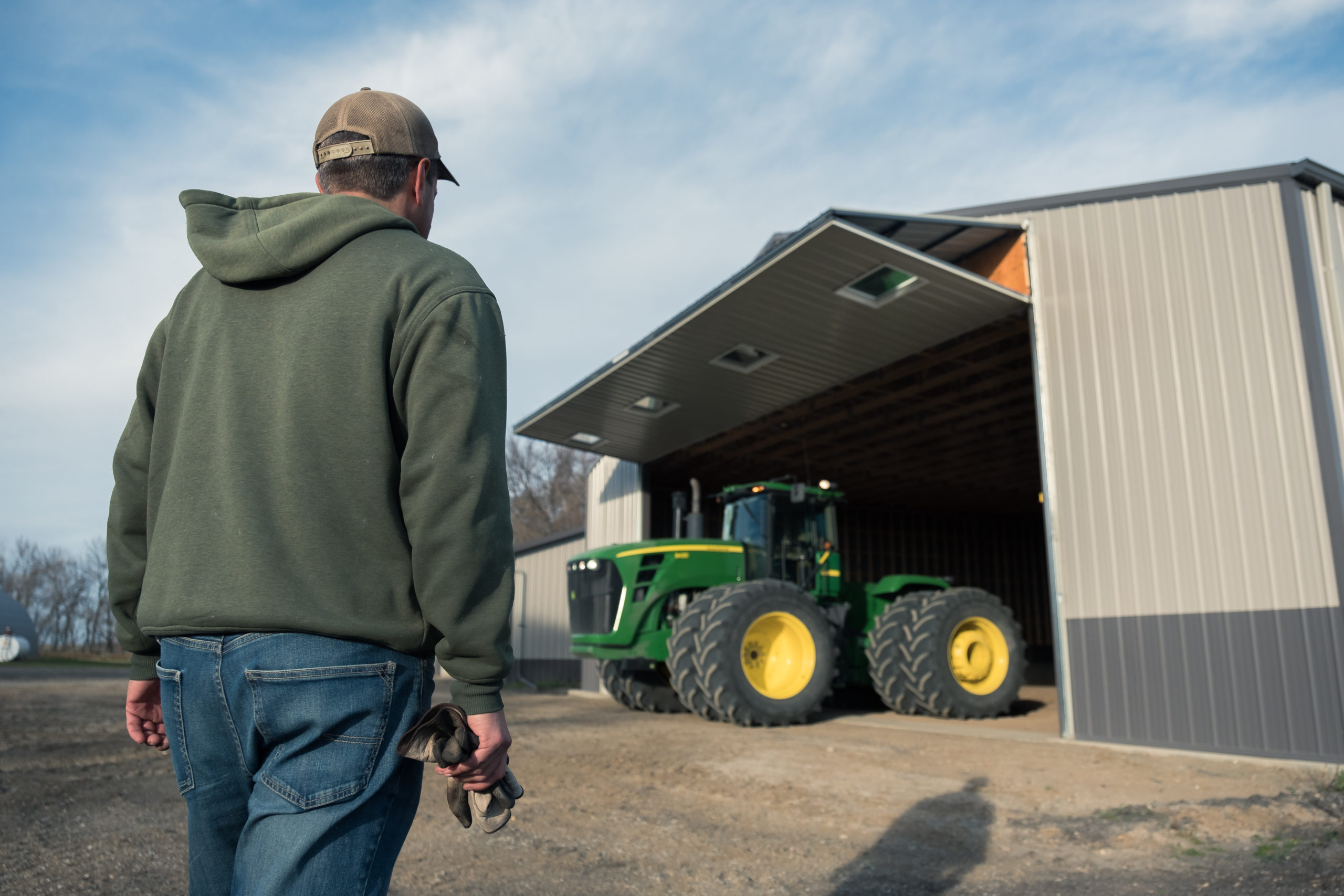
You shouldn’t spend more time repairing or maintaining your equipment than you spend using it. Your bifold door is no exception. Instead, it should make your job easier by working just as hard as you do. That’s why we design each bifold door for easy maintenance and convenient operation – with features like our greaseless hinges, reliable lift system, and simple locking systems.
Of course, there is always some maintenance required to ensure that your bifold door continues to operate safely. Large exterior and commercial doors should be inspected regularly to prevent damage to both the building and the door.
In addition to the thorough checklist in your owner’s manual, we’ve put together a quick guide to make your bifold door maintenance easier.
If you have any questions or concerns about your bifold door, or the maintenance checklist, our service team is available to help. You can call our office toll-free at (866) 325-7600 or send an email to service@diamonddoors.com.
Quick Guide to Bifold Door Maintenance
We recommend following the maintenance checklist below every three months to ensure that your bifold door continues to operate smoothly and safely.
- General door inspection
- Gear boxes
- Drive and limit chain
- Lift cables
- Photo electric safety sensors
- Main roller bearings
General Door Inspection
Inspect the overall condition of your door, paying close attention to the frame and hinges. Make sure that the door tracks are also in good condition, with no twisting, warping, or cracks. They should be securely attached to your building columns.
Next, make sure that all chain guards and cable guards are in place and secured. The electrical box should also be closed and secured.
Finally, operate your bifold door, listening closely for any unusual sounds and watching to make sure it stops at the appropriate upper and lower limits. The door should operate smoothly, without catching or binding.
Gear Boxes
Unless you notice that oil has leaked from your gear box, the oil level should be checked every three months. (If you notice oil residue on your gear box, or if there’s a puddle on your floor, check the oil levels sooner.)
Disconnect the electrical power to the door and then remove the safety shields around the gear box. Visually check the oil level and ensure it is at the marked line.
Drive and Limit Chain
While the safety shields are removed, check the tension on the drive chain. Make sure the chain is properly aligned on the upper and lower sprockets and that the sprocket set screws are snug. Replace the safety shields.
If you made any adjustments to the drive chain, follow the instructions on pages 13-14 of the owner’s manual to adjust the open and close limits of your door. You can also contact our service department for assistance.
Lift Cables
Lift cables are an essential part of your bifold door, and proper maintenance is important to ensure safe and reliable operation.
Our simplified cable design eliminates many of the common points of failure on traditional lift cable doors. With no pulleys or sharp bends, our cables are more durable and less vulnerable to damage. You can read more about our unique cable design on our blog or on our features and options page.
However, there are a few key things to look out for when inspecting your door. Visually inspect your cables for any frays or kinks. If you find any damaged cables, they should be replaced immediately, following the instructions outlined on pages 6-7 of the owner’s manual or the instructions outlined in the installation manual.
Need a copy of the owners manual or installation manual? Jump to the end of this maintenance checklist for a free download.
Also check the cable tension, ensuring that they hang loosely from the top of the door, but not so loosely that they fall away from the y-pushers. The cables should all have the same amount of travel when pulled away from the bifold door.
Photo Electric Safety Sensors
Photo electric safety sensors, or photo eyes, protect equipment and people from damage or injury while the door is closing. When the beam between the sensors is broken by something passing through, the door automatically stops closing.
Check that the photo eyes are operating properly by passing a broom or shovel between the photo eyes while the door is closing. The door should stop immediately. (Never stand or walk through the doorway while the door is moving, Always use something like a broom or shovel to test the operation of the photo eyes.)
If the door does not stop, contact our service team immediately for help with troubleshooting and repairing the issue. If you must use the door before it can be repaired, do so only with extreme caution. Stay beside the up/down/stop station throughout the door’s entire cycle and watch the doorway closely for anyone or anything passing through unexpectedly.
Main Roller Bearings
Inspecting the main roller bearings is an important part of bifold door maintenance, ensuring that the door operate smoothly and quietly.
To check the roller bearings, located on each end of the door’s frame, open the door about two feet. Make sure that the snap rings that secure the inner bearing to the outer sleeve are securely in place. Check that the grease seals are not leaking, and that the set screws holding the bearing on the shaft are snug.
Annual Door Inspection
We recommend following the maintenance checklist below every twelve months.
Drive Shaft
Inspect your drive shaft, making sure that the driveline bushings are not worn. If needed, apply a full synthetic grease. Also check the pillow block bearings for wear or damage. Ensure that the set screws are secure. Sealed units should not be greased.
Finally, make sure that all bearing and bushing saddles are secured.
If you make any adjustments to the bushings or bearings, check the alignment of the drive and limit chain. The sprockets should be in line vertically.
Electrical System
Checking the door’s electrical system is a simple process. Begin by disconnecting the power to the door to avoid injury. Inspect both the power and the control wiring. They should be free of kinks and breaks, and should bend and move freely at the centre hinge of the door. Make sure that all connections are secure.
The buttons on the up/down/stop station should not stick when pressed.
Also check the limit switch threaded rod in the electrical box. If the rod is dry, apply a light amount of grease so that the limit nuts can move freely. Make sure that the nuts are secure and do not show signs of wear.
Locking Systems
Maintenance on your bifold door locking system will look different depending on which style of locking system your door has. However, just like every other part of our doors, the simplified design of our locking systems makes maintenance a quick and simple process.
For both the manual locking system and the autolock system, be sure to inspect the lock rods and locking fingers. Grease the hinge pins (located on the locking fingers) if necessary, and ensure that all connections are secure.
Autolock
To inspect the autolock system, open the door about 6 – 12 inches, far enough to allow the autolock system to cycle fully to the unlocked position. Then disconnect the power to the door to prevent injury or damage while conducting maintenance.
First, check for any cracks or damage to the gearbox housing on the autolock. If you do notice any damage, contact the Diamond Doors service department for maintenance and repair support. Inspect the wiring for any kinks or damage, ensuring that all wires and connectors are securely fastened.
Finally, reconnect the power and lower the door, watching the locking mechanism as the autolock cycles to the locked position.
Manual Lock
Inspect the locking handle to ensure that it is secure. When in the unlocked position, the handle should sit securely in the cradle, completely compressing the safety switch. Also inspect the tensioner bolt on the lock handle.
Hinges
Our hinges are designed with greaseless hinge bushing for easy bifold door maintenance. They provide smooth and quiet door operation.
However, we recommend checking the overall condition of your hinges regularly, inspecting them for cracks and broken welds. Also make sure that the hinge pins are fastened and secured using snap rings. If necessary, use synthetic grease to lubricate the hinge pins.
Exterior Cladding
The exterior cladding on your bifold door helps to protect your door and building from harsh weather. Make sure that it is in condition by inspecting the metal sheeting. Tighten any fasteners that have come loose and replace any that are missing.
Weather Seals
Inspect both the top canvas seal and bottom rubber seal of your bifold door. Make sure that there are no cracks or tears. You should also inspect the foam weather seals along your door frame, ensuring that they are firmly adhered to the frame without any gaps or bunching.
A Door that Works as Hard as You
Like we said, your door should make your life easier, not add more to your to-do list. A well-maintained door will do its job for years to come.
Our bifold door maintenance checklist will let you rest assured that your door will work when you need it. Diamond Doors stands behind their product, with a dedicated service team that provides quick and accurate solutions. It really is that simple.
If you have any questions or concerns about maintenance for your bifold door, contact our service team at (866) 325-7600 or send an email to service@diamonddoors.com.
Bifold Door Installation and Owners Manuals
